
The Role of Luck in Gambling
Luck is often considered the most significant factor in gambling, particularly in games of chance such as slots and roulette. Many players believe that luck plays a central role in their success, as outcomes in these games are determined by random number generators or spinning wheels. This belief can lead to a heightened sense of excitement and anticipation, which is a fundamental part of the gambling experience. While luck can result in astonishing wins, it can just as easily lead to significant losses, especially when playing at a casino uk fast withdrawal site, shaping players’ perspectives toward their overall gaming strategy.
However, luck alone does not dictate casino outcomes. It interacts with elements such as skill, strategy, and timing. For instance, in poker, while luck can influence the cards dealt, a skilled player can leverage their understanding of game theory and psychology to enhance their winning potential. Moreover, recognizing the nuanced relationship between luck and skill can provide players with a more balanced view of their gambling experiences, allowing them to appreciate both the thrill of the gamble and the importance of strategy.
Another aspect to consider is the psychological impact of luck on players. Many may feel they have ‘lucky’ streaks, which can lead to overconfidence in their decision-making abilities. This feeling can cloud judgment and result in poor betting choices. Conversely, a series of losses might create a sense of despair, prompting players to chase their losses. Understanding the balance between luck and informed decision-making is crucial for achieving sustainable success in the casino environment.
Skill vs. Luck: Finding the Balance
In many casino games, the debate over skill versus luck often emerges. While games like blackjack and poker allow for strategic decision-making and skill application, others like slots remain purely random. For those who favor skill-based games, honing one’s abilities through practice and study can increase the likelihood of winning over time. For example, learning optimal strategies for splitting pairs in blackjack can lead to more favorable outcomes compared to leaving everything to chance.
On the other hand, players engaged in purely luck-based games must accept that their success is often outside of their control. It is essential to recognize that the house edge is a built-in advantage for casinos, which means that over time, luck becomes less significant than it appears in the short term. Players must be aware that relying solely on luck can diminish their overall enjoyment of the gaming experience, leading to frustration and disappointment in the long run.

The quest for balance is crucial for responsible gambling. Players should set limits on their spending and time at the casino, ensuring that their experiences are enjoyable rather than stressful. Complementing luck with a sound understanding of game mechanics enables players to make informed decisions, ultimately enhancing their overall casino experience. It is this combination of skill and luck that can lead to a more fulfilling journey in the world of gambling.
The Influence of Casino Environment on Luck
Casinos are designed to create an atmosphere that enhances the allure of luck. From brightly colored slot machines to the sounds of chips clattering, every aspect is curated to stimulate excitement and engagement from players. This stimulating environment can create a psychological effect known as “the illusion of control,” where players feel they can influence the outcome of a game despite the inherent randomness involved. This belief in the power of luck can lead to prolonged play, which casinos depend upon for financial success.
The physical layout and organization of a casino can also influence a player’s experience of luck. For example, some players may gravitate toward areas where they see others winning, believing that good luck can be contagious. This phenomenon illustrates how social factors impact perceptions of luck in a casino setting, fostering an environment that can enhance or diminish a player’s confidence and willingness to gamble.
Furthermore, the timing of a player’s visit can play a role in their perception of luck. Different times of day may attract varying crowds, which can affect the overall energy of the casino. For instance, visiting during peak hours may create an atmosphere of excitement, amplifying the feeling of being ‘in the zone’ when it comes to luck. Understanding how external factors, like environment and social dynamics, can affect one’s experience can help players navigate their gambling endeavors with greater awareness and intentionality.
Understanding Probability and Odds in Casino Games
While luck can influence outcomes, a fundamental understanding of probability and odds is crucial for any player aiming for success in a casino. Each game comes with its own set of odds that dictate the likelihood of winning. For example, in roulette, the odds of hitting a specific number are relatively low, reflecting the game’s inherent randomness. Conversely, understanding the odds in a game like blackjack can empower players to make better decisions, such as when to hit or stand.
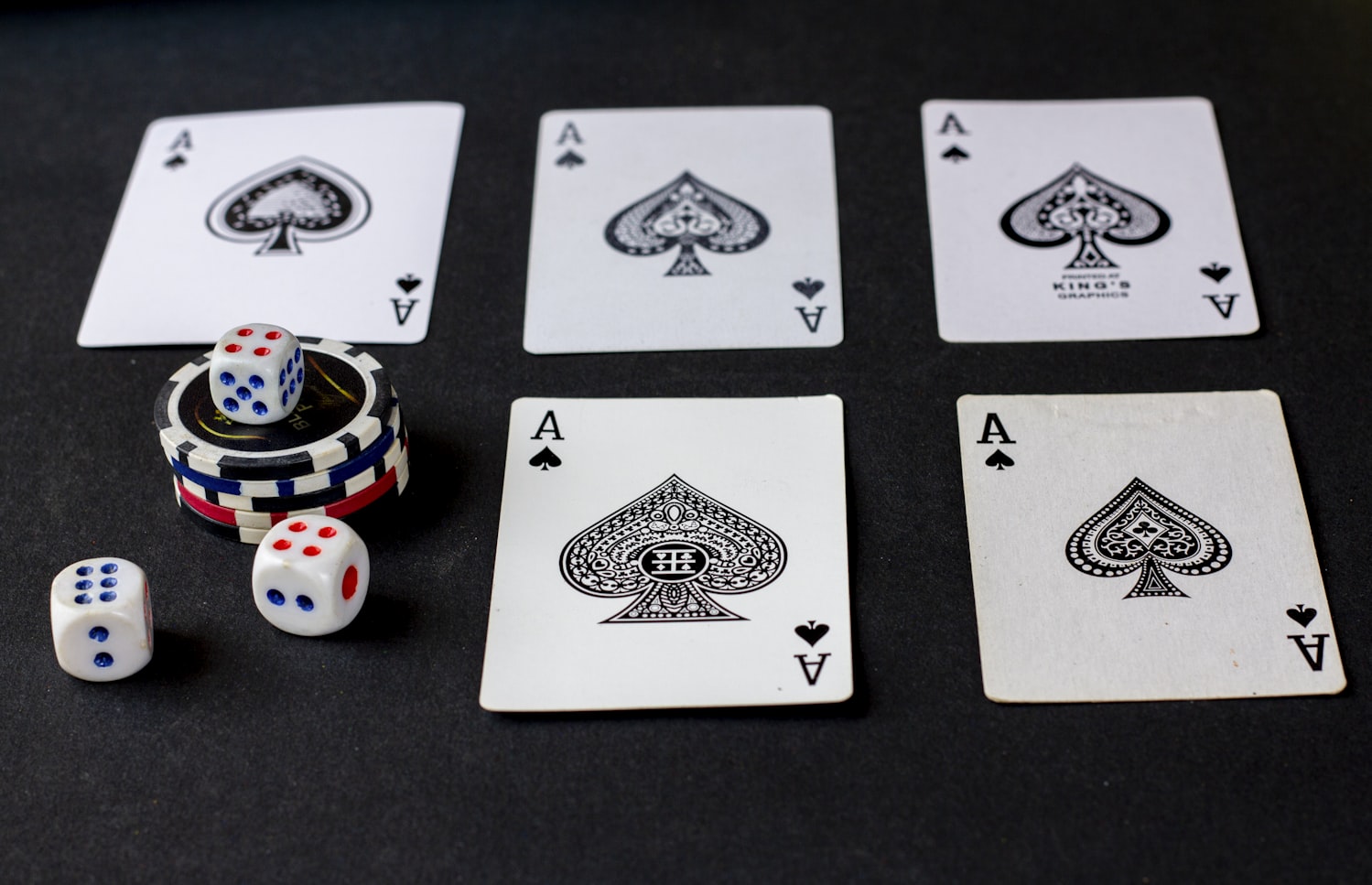
Additionally, players should familiarize themselves with the concept of the house edge, which represents the advantage that the casino holds over players. This knowledge equips players to make informed choices about which games to play and how much to wager. In games with a lower house edge, players may experience a greater opportunity for profitable outcomes, aligning their strategies with mathematical realities rather than solely relying on luck.
In essence, a solid grasp of probability enriches the gambling experience and allows players to appreciate the nuances that lie beneath the surface of luck. When luck interacts with informed choices about game selection, betting strategies, and bankroll management, players can optimize their chances of success while still enjoying the thrill that comes with the unpredictability of gambling.
Finding Your Path to Casino Success
Ultimately, the quest for casino success is a multifaceted journey that intertwines luck with personal strategy and skills. Players should embrace both aspects, recognizing that while luck can lead to unexpected wins, informed decision-making and responsible gambling practices are essential for long-term enjoyment. Setting realistic expectations and limits allows players to approach gambling as a form of entertainment rather than solely a path to financial gain, fostering a healthier mindset.
Moreover, players can leverage various resources and communities to enhance their understanding of games, strategies, and responsible gambling practices. Engaging with fellow enthusiasts can provide valuable insights and tips, creating a supportive environment that encourages growth and learning. This collaborative approach to gaming can help individuals refine their skills, leading to a more fulfilling experience overall.
In conclusion, while luck undeniably influences casino outcomes, it should not overshadow the importance of strategy and knowledge. By finding the right balance between luck and skill, players can navigate the dynamic world of casinos with greater confidence and enjoyment. Embracing this duality can ultimately pave the way for memorable experiences, regardless of the outcome.