
The Role of Luck in Gambling
Luck plays a pivotal role in gambling, often overshadowing skill and strategy. In a casino environment, where games are designed to offer randomness, the element of chance is paramount. Players may dedicate extensive time to mastering blackjack strategies or poker tactics, yet when it comes down to the wire, fortune can sway the outcome in an instant, especially at an australian neosurf casino where excitement meets unpredictability. Understandably, this can be both exhilarating and frustrating, as a talented player might face a string of bad luck, while a novice may walk away with a jackpot.
The unpredictability of games like slots, roulette, and craps emphasizes this point. Unlike card games where skill can influence the outcome, machines and dice games rely heavily on randomization. For example, each spin of a slot machine is completely independent of the last, meaning a player has no control over whether they hit the jackpot or just waste their coins. This randomness is what draws many to casinos—the thrill of luck can spark excitement and anticipation unlike any other form of entertainment.
Casinos understand the appeal of luck, which is why they often celebrate jackpot winners and emphasize success stories. The allure of potentially life-changing wins can lure in those who otherwise might not gamble. This highlights an essential aspect of casino culture: while luck is a major player, the shared communal experience of waiting for the dice to roll or the slots to spin keeps patrons engaged, regardless of their knowledge or experience.
The Psychology Behind Luck
The belief in luck can significantly influence a player’s behavior and decision-making processes in a casino. Many individuals enter casinos brimming with hope, convinced that luck is on their side. This psychological aspect can dictate not only the approach they take to games but also the duration of their play. For instance, players often recall a series of lucky moments, attributing their wins to favorable circumstances, thereby reinforcing their belief in luck’s existence and its impact on their success.
This psychological phenomenon will even lead some players to adopt rituals or superstitious behavior, such as wearing lucky charms or following specific routines before playing. Many believe that certain actions can influence their odds, whether it’s throwing dice in a particular manner or choosing specific machines to play. This blurs the lines between reality and superstition, illustrating how deeply grounded the idea of luck is in gambling culture.
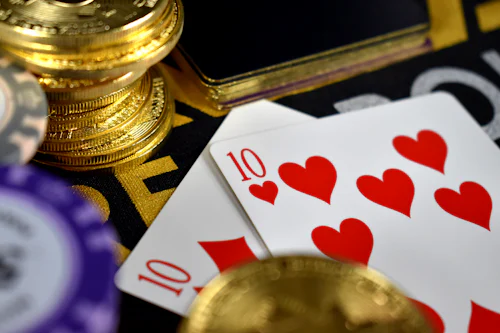
Moreover, luck can lead to a phenomenon known as the “gambler’s fallacy,” where players believe that past events influence the future. For example, if a roulette wheel has landed on red multiple times in a row, players might assume that black is due and place their bets accordingly. This demonstrates how the perception of luck can cloud judgment and alter the strategies players adopt, often to their detriment.
Luck and Game Design
Casinos leverage the concept of luck in their game designs, strategically creating experiences that maximize both excitement and engagement. Game mechanics are often coded to incorporate elements of chance, ensuring that while players may exercise skill, the ultimate outcomes remain heavily influenced by luck. This blend of skill and chance keeps players invested while allowing casinos to maintain their edge.
Take poker, for example. While mastery of the game involves strategy, psychology, and skill, the randomness of the card shuffle introduces luck into the mix. A player could be far superior to their opponent yet find themselves dealt an unplayable hand, highlighting how chance interacts with skill. This not only adds an intriguing layer to the game but also means that any person could, on a lucky night, outperform seasoned veterans.
Another game that epitomizes the relationship between luck and design is the slot machine. Slots are designed for maximum excitement with bright lights and captivating sounds, yet outcomes are entirely random. Each spin is completely independent of the last, reinforcing the notion that luck is the primary factor. This design ensures that players remain hopeful, continually feeding the machine with hopes of striking it rich, thus driving the casino’s revenue.
The Impact of Luck on Casino Success
The success of a casino is intrinsically tied to the dynamic of luck. It is the promise of luck that attracts visitors, creating an ever-revolving door of hopeful gamblers seeking fortune. Casinos thrive on the excitement generated by chance, promoting the allure of winning against the odds. Consequently, they curate an experience that is not just about gambling but about the potential for remarkable successes that keep patrons coming back.

Winning streaks, however, do have lasting implications for a casino’s bottom line. When players experience luck and win significant amounts, it generates buzz and excitement, potentially leading more customers to venture inside. Casinos often capitalize on these moments by showcasing winners and offering celebratory promotions that enhance the perception of luck and success, thereby driving foot traffic.
However, it must be noted that while luck can lead to big wins, it can also lead to substantial losses. Many players may experience losses that can be emotionally and financially detrimental, which presents ethical challenges for casinos. Understanding this balance and recognizing the importance of responsible gambling practices is crucial for maintaining their reputation and ensuring customer satisfaction.
Conclusion: Embracing Luck in the Casino Experience
In conclusion, luck acts as a cornerstone in the casino experience, shaping how players engage with games, perceive outcomes, and ultimately enjoy their time at the venue. The interplay between skill and chance creates an electric atmosphere filled with anticipation, camaraderie, and the thrill of winning. As players navigate this landscape of uncertainty, they forge connections with others, driven by shared hopes and aspirations.
The reality of gambling, infused with luck, creates a unique environment where stories of triumph and defeat unfold daily. As casinos continue to innovate and design their games to harness this dynamic, the excitement surrounding the element of luck will likely persist as long as people seek entertainment and fortune in these vibrant establishments.
Ultimately, understanding the role of luck in gambling extends beyond mere chance; it invites reflection on the nature of hope and the exhilarating experience of taking risks. Whether one is a novice trying their luck for the first time or a seasoned player who embraces both strategy and fortune, casinos will remain a captivating haven for those who dare to dream big and seek their luck at the tables.